Sajjad Rehabilitation & Therapy Centre provides expert post surgery & orthopedic physiotherapy for patients recovering from surgery or managing chronic musculoskeletal issues. Our specialized rehabilitation programs are designed to restore mobility and reduce pain for individuals across Patna and nearby areas of Bihar.
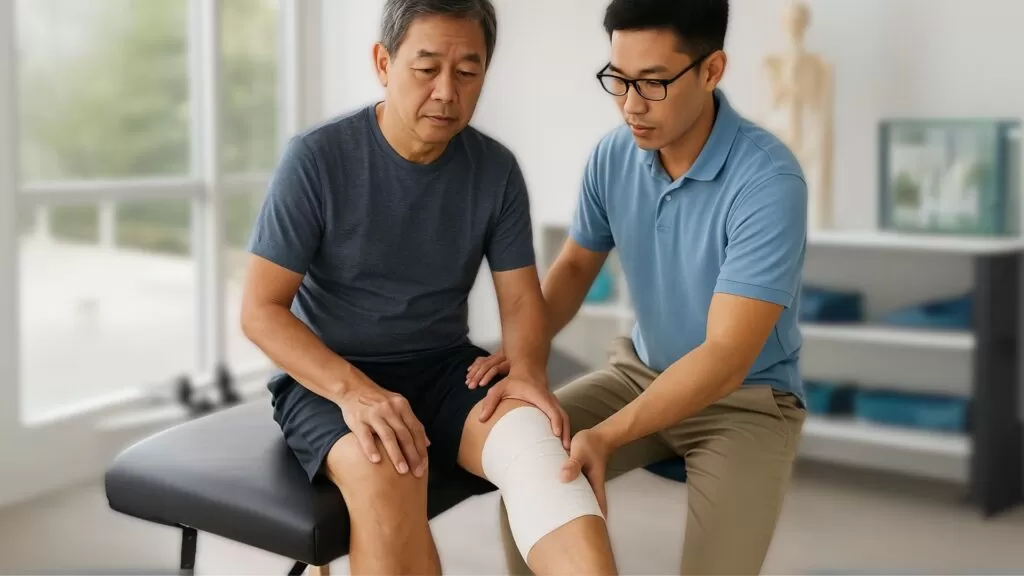
We also provide Pre-operative physiotherapy (Pre-hab) to speed up post-surgery recovery.
Treatment for lower back pain, slip disc, sciatica, and lumbar spondylosis.
Relief from cervical spondylosis, stiff neck, and posture-related neck strain.
Management of osteoarthritis, ligament injuries (ACL/PCL), and meniscus tears.
Therapy for frozen shoulder, rotator cuff injuries, and shoulder impingement.
Joint care programs to reduce stiffness and pain in osteo and rheumatoid arthritis.
Rehabilitation to restore movement and strength after bone fractures and plaster removal.
Recovery programs after knee replacement, hip replacement, or spine surgery.
Treatment for muscle strains, sprains, and sports-related trauma.
Orthopedic conditions often arise from sports injuries, age-related degeneration like arthritis, or following surgical procedures such as knee or hip replacements. These issues affect the musculoskeletal system, including bones, joints, ligaments, and muscles.
At Sajjad Rehabilitation & Therapy Centre, we use a combination of manual therapy, therapeutic exercises, and modern modalities to ensure safe and effective recovery.
Orthopedic conditions can significantly impact your quality of life. Common issues include:
Physiotherapy plays a vital role in the healing process by:
Hands-on techniques to mobilize joints and soft tissues, reducing pain and stiffness.
Customized exercise plans to strengthen muscles and improve flexibility.
Use of modalities like ultrasound, TENS, and heat/cold therapy for acute pain relief.
Targeted stretching routines to lengthen tight muscles and improve range of motion.
Ergonomic advice and exercises to correct posture and prevent spinal strain.
Correcting walking patterns to ensure safe and efficient mobility.
Our physiotherapy services are tailored to address specific needs, including back pain treatment and joint recovery.
Physical examination to identify the root cause of pain.
Analysis of pain levels, movement, and strength.
Creating a personalized treatment roadmap.
Supervised sessions with expert physiotherapists.
Regular progress checks to ensure recovery goals are met.
The duration of post surgery and orthopedic physiotherapy depends on the specific condition and the patient's progress. Our goal is a safe and sustainable recovery.
We focus on achieving steady, measurable improvements in your function and pain levels.
Get a professional evaluation and a personalized rehabilitation plan.
Sajjad Rehabilitation & Therapy Centre is a trusted name for orthopedic care. We serve patients across Patna and nearby areas of Bihar with a focus on ethical practice.
You should consider seeing a physiotherapist if you experience:
A mild increase in soreness or stiffness for 24 to 72 hours can happen when healing tissues and weak muscles are challenged. That said, pain should settle, not keep escalating. If you develop severe pain, marked swelling, wound drainage, fever, numbness, or a sudden loss of movement, contact your surgeon or physiotherapist promptly.
Swelling is common after orthopedic surgery and often peaks in the first week, then gradually improves over the following weeks. Some mild swelling can last longer depending on the operation. Elevation, ice wrapped in a cloth, compression if advised, and gentle movement usually help. New severe swelling, calf pain, redness, or breathlessness needs urgent medical review.
In many cases, yes. Exercise-based rehabilitation, activity modification, and guided strengthening help many people improve without surgery. Spine surgery is usually considered when symptoms fail to improve with conservative care or when there is progressive weakness, difficulty walking, or bowel or bladder problems.
Yes. Physiotherapy is commonly recommended for cervical spondylosis because it can reduce pain, improve posture, restore neck movement, and strengthen the muscles that support the cervical spine. Most people improve over a few weeks with consistent exercises and activity guidance, while surgery is usually reserved for nerve or spinal cord compression.
For most mechanical back or neck pain, prolonged bed rest is not recommended. Gentle movement, short walks, and a gradual return to usual activity usually work better than lying down for days. It is sensible to temporarily reduce movements that sharply worsen pain, but complete inactivity often increases stiffness and weakness.
Seek urgent medical help if you have loss of bowel or bladder control, numbness around the groin or buttocks, new arm or leg weakness, inability to walk, fever with severe spine pain, chest pain or shortness of breath after surgery, or a hot red wound with discharge. These symptoms need prompt medical assessment.