A specialized rehabilitation program designed to help children with developmental delays, neurological conditions, and motor skill challenges reach their full potential through play-based, goal-oriented therapy.
Not sitting, crawling, or walking at the expected age.
Specialized therapy for muscle tone, movement, and coordination.
Over-sensitivity to sounds or textures, or constant need for movement.
Comprehensive therapy for physical and cognitive development.
Rehabilitation to maintain muscle function and mobility.
Specialized therapy for mobility and independence.
We first understand where the child is struggling most in movement, balance, hand use, communication, play, sensory regulation, or day-to-day independence.
The therapy plan may combine physiotherapy, occupational therapy, speech input, and practical family guidance so progress continues in daily routine, not only inside the clinic.
We look at the actual challenge affecting the child at home, in play, in school, or in self-care before deciding the therapy focus.
The aim is not just clinic performance. The goal is better sitting, walking, attention, play, communication, and everyday participation.
Parents get simple carry-over activities so the child keeps learning through repeated practice in a familiar environment.
Our child rehabilitation process follows a structured, multi-phase approach to support movement, communication, learning readiness, and meaningful daily progress.
We review the child's current skills, parent concerns, routine, and where help is needed most.
Therapy goals are planned around practical outcomes like movement, attention, communication, or self-care.
Sessions use structured, child-friendly activities to build skills step by step at the right level.
Progress is reviewed regularly and parent guidance is updated so gains continue between visits.
Children often do better in play, school routine, and self-care when therapy targets functional daily activities early.
Regular practice can improve balance, posture, transitions, walking quality, and body control over time.
Support for attention, sensory regulation, hand skills, and speech can make learning easier and less frustrating.
Small consistent gains often reduce stress at home and help families feel more confident in the child's progress path.
We keep child rehabilitation structured, practical, and respectful of how each child learns, plays, and progresses at a different pace.
Get a professional child rehabilitation evaluation and a therapy plan matched to your child's present needs.
An assessment is useful if there are delays in sitting, walking, hand use, speech, feeding, attention, balance, or daily independence. Some children are simply late in a skill, but evaluation helps identify whether support can make progress easier and faster.
The first visit usually includes discussion with parents, review of current concerns, observation of movement and play, checking daily skills, and planning goals. The aim is to understand where support is needed most before deciding the therapy mix.
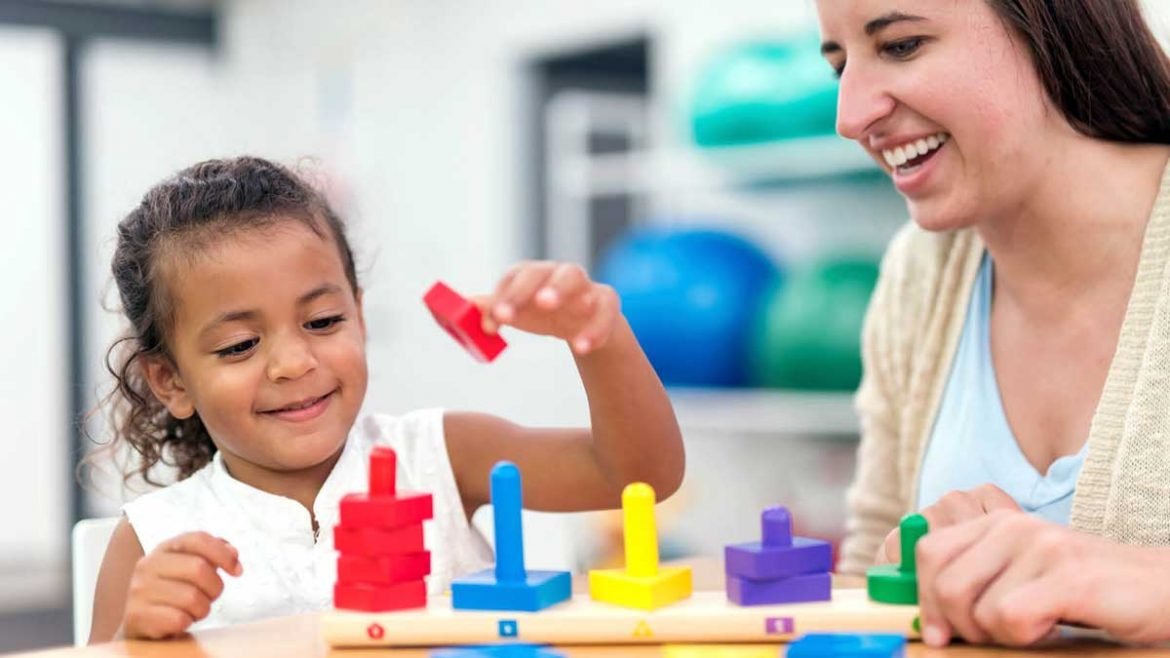
Yes. In child rehabilitation, play is often the most effective way to build movement, coordination, attention, communication, and sensory regulation. The activities may look playful, but they are chosen to target specific developmental goals.
Not always. The plan depends on the child's age, diagnosis, tolerance, and the main daily difficulty. Some children benefit from combined therapy, while others do better when one or two priorities are started first.
Parents are usually given simple home activities, handling tips, play ideas, or communication practice to repeat in daily routine. Regular home follow-through often makes therapy more effective than clinic sessions alone.
Progress depends on the child's condition, age, goals, therapy frequency, and home consistency. Some changes appear in a few weeks, while bigger functional gains may take longer and need steady follow-up.