Knee Pain Physiotherapy Treatment in Patna
Specialized physiotherapy for acute and chronic knee pain. We focus on strengthening the supporting muscles and improving joint mechanics to provide lasting relief and restore function.
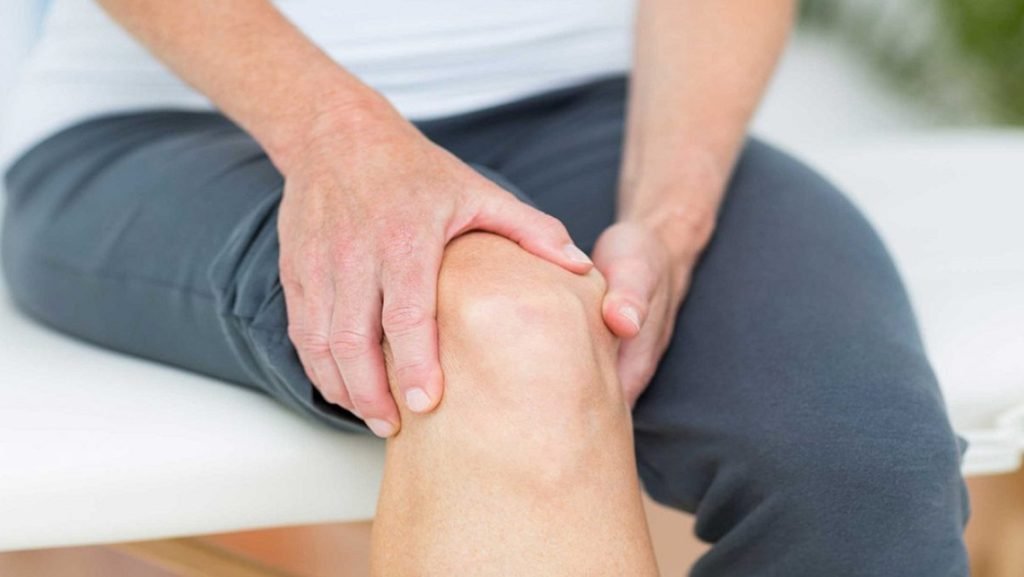
Reasons of Knee Pain
Arthritis or Wear and Tear
Joint wear can cause pain, stiffness, swelling, and trouble with stairs or walking.
Ligament Injury
ACL, PCL, MCL, or LCL injuries can make the knee feel weak, painful, or unstable.
Meniscus Problem
A meniscus tear can cause pain with twisting, bending, locking, or clicking.
Muscle Weakness
Weak thigh, hip, or calf muscles can put extra strain on the knee joint.
Overuse
Too much running, stair climbing, jumping, or squatting can irritate the knee.
Poor Movement Pattern
Bad walking, sitting, or exercise form can keep the knee under repeated stress.
How Physiotherapy Helps
Physiotherapy is a cornerstone of effective knee pain management. It focuses on restoring function and preventing future problems.
- Movement Restoration: Gentle exercises to restore the knee's full range of motion.
- Strength Improvement: Targeted exercises to strengthen the quadriceps, hamstrings, and glutes.
- Joint Stability: Improving the stability of the knee joint to reduce wear and tear on cartilage.
- Safe Recovery: Providing a structured program that allows the knee to heal without causing further damage.
- Weight Management: Guidance on weight management to reduce joint load.
Why Finding the Real Cause Matters
We do not only reduce pain. We check what is causing it, like weakness, poor movement, arthritis, or an injury, and then make a plan to fix it.
Rehabilitation & Recovery Timeline
Assessment
Detailed evaluation of your gait, knee alignment, muscle strength, and pain triggers.
Personalized Plan
Creating a customized therapy plan with specific exercises and goals for your condition.
Gradual Progression
Starting with gentle exercises and gradually increasing the intensity as your strength improves.
Safety Monitoring
All sessions are supervised by trained therapists to ensure exercises are performed correctly and safely.
Physiotherapy Techniques Used
Manual Therapy
Hands-on techniques like joint mobilization to reduce stiffness and improve movement.
Therapeutic Exercises
Specific exercises to strengthen the muscles that support and control the knee joint.
Stretching
Targeted stretching for tight muscles (like hamstrings and IT band) that affect knee mechanics.
Gait Training
Correcting walking and running patterns to reduce strain on the knee.
Pain Management Modalities
Use of TENS, IFT, or ultrasound to provide relief from acute pain and swelling.
Balance Training
Exercises to improve proprioception (joint position sense) and prevent instability.
Importance of Early Treatment
Starting treatment early can improve recovery and reduce the risk of long-term knee problems. Key benefits include:
- Reduces swelling early: Early care helps calm pain and swelling before they become harder to manage.
- Protects knee movement: Timely treatment helps prevent stiffness and loss of bending or straightening.
- Builds support muscles sooner: Strengthening the thigh, hip, and calf muscles early gives the knee better support.
- Lowers repeat strain: Correcting walking, stair use, and exercise form early helps stop pain from coming back.
- Improves long-term function: Early physiotherapy can make walking, sitting, stairs, and daily work easier.
Recovery Time & Expected Outcomes
Recovery from knee pain varies. A minor sprain may resolve in a few weeks, while recovery from ACL surgery can take several months. Progress is often gradual.
Our commitment: We focus on achieving steady, measurable improvements in your function and pain levels, providing honest guidance throughout your recovery journey.
Why Choose Sajjad Rehabilitation
- Trained Therapists: Our team is experienced in treating complex knee conditions.
- One-to-One Care: We provide individual attention to ensure correct exercise technique and safety.
- Ethical Treatment: We focus on addressing the root cause, not just providing temporary relief.
- Safe Environment: Our clinic is a clean, professional, and supportive space for recovery.
Book an Assessment
Get a professional evaluation and a personalized rehabilitation plan.
FAQs
Stair pain can happen because of knee cap tracking problems, arthritis, swelling, weakness, or overuse. A proper assessment helps find the exact reason and the right treatment.
Swelling after walking may mean the joint is irritated by overload, arthritis, injury, or poor knee control. Repeated swelling should not be ignored.
Walking is often helpful when done at the right level, but too much walking during a flare-up can increase pain and swelling. A physiotherapist can guide the right amount.
Clicking can happen from joint movement, swelling, muscle imbalance, or cartilage and meniscus problems. If clicking comes with pain, locking, or swelling, it should be checked.
ACL recovery is usually measured in months, not days. Many people need several months of step-by-step rehabilitation, and return to sport can take longer depending on progress.
If the knee keeps buckling, locks, swells a lot, or makes walking difficult, it should be assessed promptly. These symptoms can point to ligament, meniscus, or joint problems.