We provide specialized Sensory Integration Therapy to help children regulate their sensory responses, improve focus, and participate confidently in daily activities.
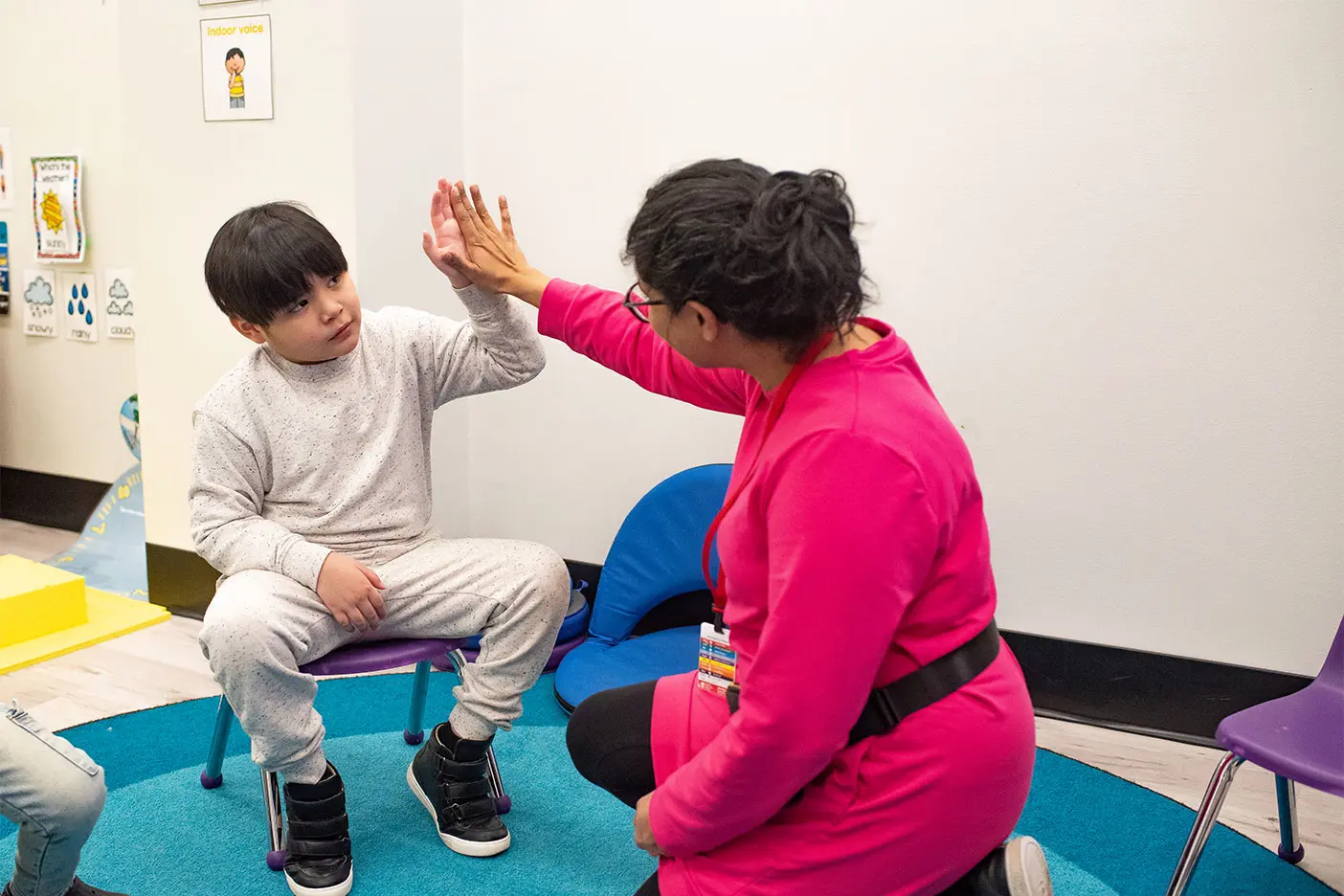
Sensory Processing Disorder (SPD) is a condition where the brain has trouble receiving and responding to information that comes in through the senses. Children with SPD may be over-sensitive or under-sensitive to things in their environment. At Sajjad Rehabilitation, our occupational therapists use sensory integration techniques to help children organize these sensations. That leads to better behavior, learning, and emotional regulation.
We look at how sensory challenges are affecting attention, behavior, body regulation, play, transitions, touch tolerance, sound response, and daily routine at home or school.
Therapy is planned to improve regulation, attention, participation, and functional tolerance while also helping parents understand what sensory support works best in everyday life.
We first identify what is limiting daily function most clearly so the therapy plan starts at the right point.
Sessions focus on participation, movement, tolerance, independence, and function that matter in real life.
Parents get simple carry-over activities and routine guidance so progress continues outside the clinic too.
Our sensory processing therapy follows a structured, multi-phase approach to improve regulation, attention, routine tolerance, and everyday participation.
We review sensory responses, regulation, behavior patterns, and routine difficulties.
Goals are chosen around regulation, focus, transitions, and daily participation.
Sessions use structured sensory activities to improve tolerance and body regulation.
Parents get practical strategies for overload, transitions, and sensory-friendly routine.
The plan is adjusted regularly based on what is helping in real daily situations.
Therapy can help the child take part more comfortably in routine, play, movement, and age-appropriate activities.
Steady follow-up often improves how skills are used in real situations instead of only during one session.
Parents get clarity on what to do at home, what to repeat, and what to monitor between reviews.
Regular therapy review helps keep support realistic, useful, and aligned with the child's current needs.
We keep sensory processing support rehabilitation practical, structured, and focused on progress that makes day-to-day life more manageable for the child and family.
Get a professional evaluation and a therapy plan matched to your child's present support needs.
An assessment is useful when sensory processing support is affecting movement, attention, communication, participation, comfort, or daily routine in a way that is becoming hard to manage at home or school.
The first visit usually includes parent discussion, review of current difficulties, observation of function, and planning goals around the child's present daily needs.
Therapy cannot remove the diagnosis itself, but it can help improve function, participation, comfort, confidence, and daily routine support when the plan is structured and followed consistently.
Not always. The therapy mix depends on the child's age, current tolerance, diagnosis, and the main daily difficulty that needs attention first.
Parents are usually guided on simple home activities, routine adjustments, handling tips, or practice tasks that match the child's current goals.
Progress depends on the condition, age, therapy frequency, home consistency, and current functional level. Some changes appear early, while bigger gains may need steady follow-up.